The Best Compost For Vegetables: A Guide To Choosing The Right One For Your Garden
Title: The Best Compost for Vegetables: A Guide to Choosing the Right One for Your Garden
Introduction:
Compost is a gardener's best friend. It's a natural way to improve the quality of your soil, add nutrients to your plants, and help them grow strong and healthy. But with so many different types of compost on the market, it can be tough to know which one is right for your vegetable garden.
In this blog post, we'll discuss the best compost for vegetables, including what to look for when choosing a compost, how to use compost in your garden, and some of the benefits of using compost.
What to Look for in a Compost for Vegetables:
When choosing a compost for vegetables, there are a few things you'll want to keep in mind:
- Nutrient content: The compost you choose should be rich in nutrients that are essential for vegetable growth, such as nitrogen, phosphorus, and potassium.
- Organic matter content: Compost that is high in organic matter will help to improve the structure of your soil, making it more airy and loamy.
- Maturity: Compost that is well-aged will be dark brown or black in color and have a crumbly texture. It should also have a neutral or slightly sweet smell.
- Source: If possible, choose a compost that is made from local materials. This will help to reduce the environmental impact of your gardening practices.
How to Use Compost in Your Vegetable Garden:
There are a few different ways to use compost in your vegetable garden:
- Incorporate it into the soil: This is the most common way to use compost. Simply spread it evenly over the soil surface and then work it in with a shovel or garden fork.
- Use it as a topdressing: This is a good way to add nutrients to the soil surface and improve drainage. Simply spread a layer of compost around your plants, being careful not to smother the leaves.
- Make a compost tea: Compost tea is a liquid fertilizer that is made by steeping compost in water. It is a great way to give your plants a boost of nutrients.
Benefits of Using Compost in Your Vegetable Garden:
There are many benefits to using compost in your vegetable garden, including:
- Improved soil quality: Compost helps to improve the structure of your soil, making it more airy and loamy. This allows water and nutrients to move more easily through the soil, which is essential for plant growth.
- Increased nutrient availability: Compost is rich in nutrients that are essential for plant growth. By adding compost to your soil, you are giving your plants the nutrients they need to thrive.
- Reduced pest and disease problems: Compost can help to suppress pests and diseases by improving the overall health of your plants.
- Increased yields: Plants that are grown in compost-rich soil tend to produce larger yields.
Conclusion:
Compost is a valuable asset for any vegetable gardener. By following the tips in this blog post, you can choose the right compost for your garden and reap the many benefits that it has to offer.
The best compost for vegetables is rich in nutrients and made from a healthy balance of green and brown organic matter. It must also not contain pathogens or harmful bacteria. Homemade compost is preferred as it is all-natural, economical, and usually chemical-free. However, if you don't have the time or space to compost at home, there are many commercial composts available that are also a good choice for vegetable gardens.
To learn more about the best compost for vegetables, visit Garden Wiki. This website has a comprehensive guide on the different types of compost available, as well as tips on how to choose the right compost for your needs.
FAQ of best compost for vegetables
What is the best compost for vegetables?
The best compost for vegetables is a well-balanced mix of green and brown materials that is rich in nutrients and free of pathogens. Green materials, such as vegetable scraps, grass clippings, and coffee grounds, provide nitrogen, while brown materials, such as leaves, straw, and wood chips, provide carbon. A good compost should be dark brown or black in color, crumbly in texture, and have a slightly sweet smell.
What are the benefits of using compost for vegetables?
Compost has many benefits for vegetable gardens, including:
- Improving soil structure and drainage
- Increasing water retention
- Providing nutrients to plants
- Reducing the need for chemical fertilizers
- Attracting beneficial insects and earthworms
How do I make my own compost?
Making your own compost is a great way to save money and reduce waste. There are many different ways to make compost, but the most common method is to use a compost bin. Compost bins can be purchased at most garden centers, or you can make your own.
To make compost, simply add a mixture of green and brown materials to the bin. The materials should be moist but not soggy. Turn the compost regularly to help it break down. In about 6-12 months, you will have finished compost that you can use in your garden.
Where can I buy compost?
If you don't have the time or space to make your own compost, you can buy it from most garden centers. When buying compost, look for a product that is labeled as "organic" or "natural." This will ensure that the compost is free of harmful chemicals.
How much compost do I need for my vegetable garden?
The amount of compost you need for your vegetable garden will depend on the size of your garden and the type of vegetables you are growing. In general, you will need about 2-4 inches of compost in your garden beds.
When should I add compost to my vegetable garden?
The best time to add compost to your vegetable garden is in the fall or spring. This will give the compost time to break down before you plant your vegetables.
Image of best compost for vegetables
- Green waste: This includes grass clippings, leaves, and other yard waste. It can be composted in a backyard compost bin or pile, or it can be taken to a local composting facility.

- Fruit and vegetable scraps: These can be composted in a kitchen compost bin or countertop composter.

- Coffee grounds and tea leaves: These are high in nitrogen and can help to balance out compost piles that are too high in carbon.
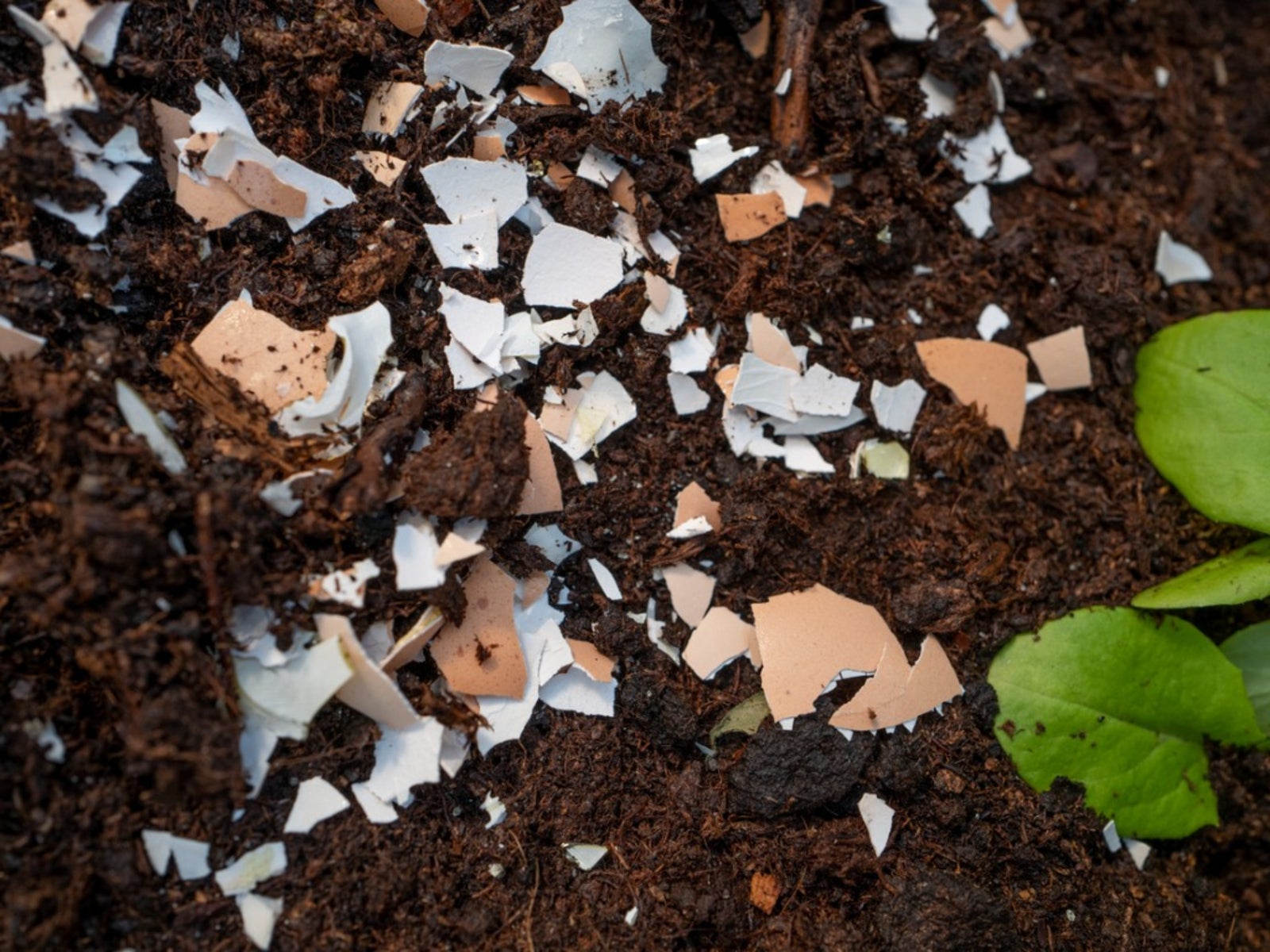
- Eggshells: Eggshells are a good source of calcium, which is important for plant growth.
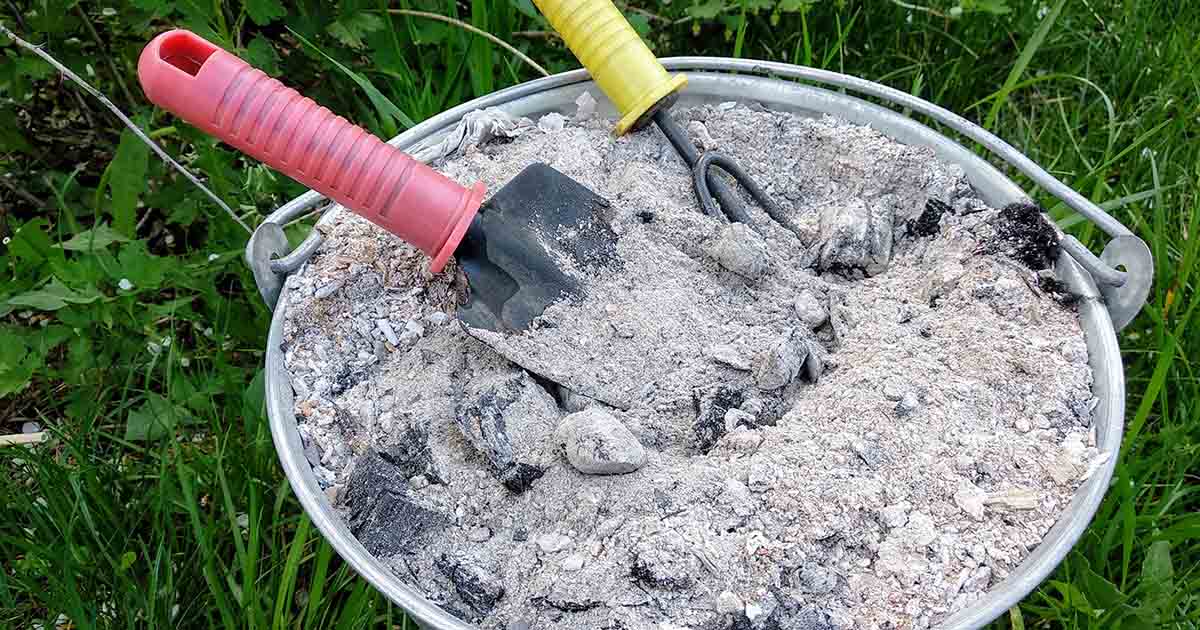
- Wood ash: Wood ash is a good source of potassium, which is another important nutrient for plants.
- Manure: Manure is a great source of nutrients for plants, but it is important to compost it properly to avoid spreading diseases.
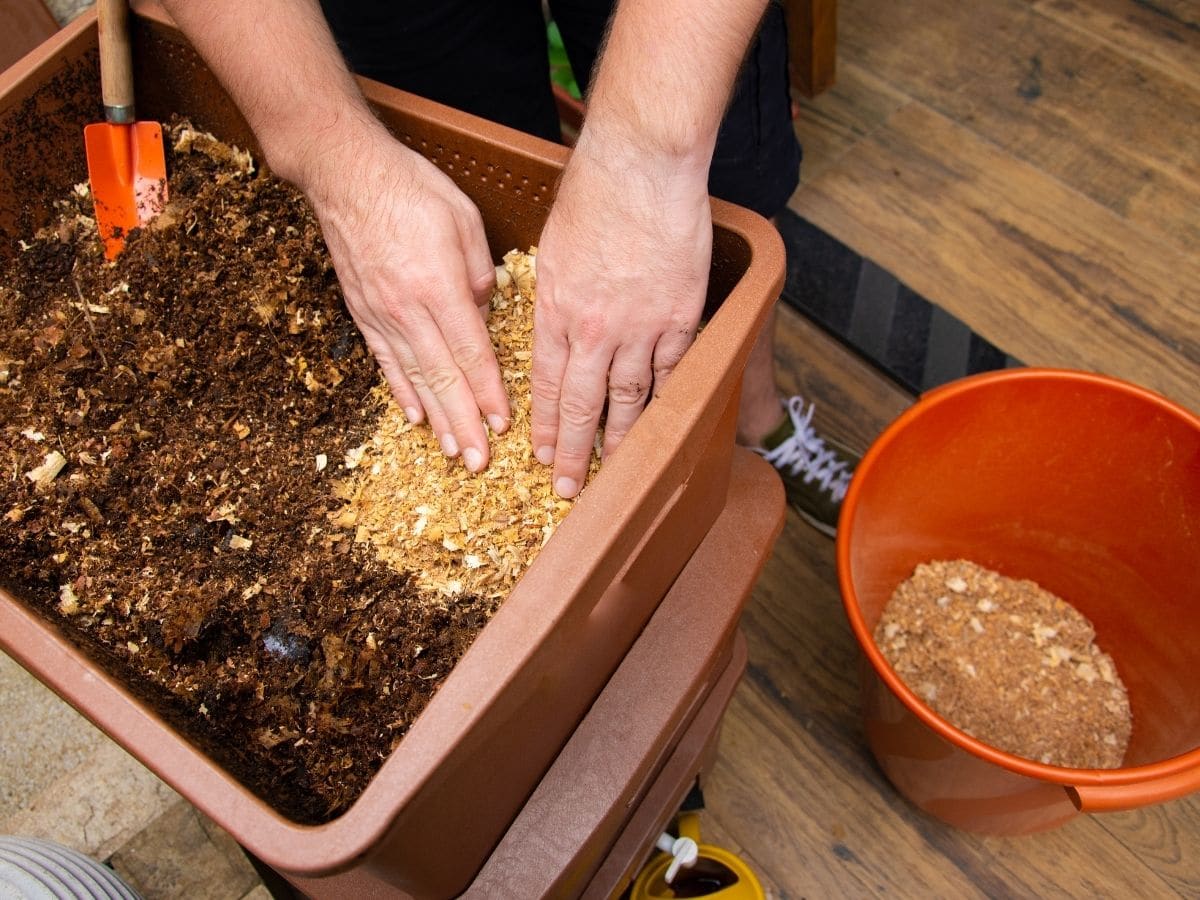
- Sawdust: Sawdust is a good source of carbon, which helps to balance out compost piles that are too high in nitrogen.
- Yard trimmings: This includes branches, twigs, and other yard waste. It can be composted in a backyard compost bin or pile, or it can be taken to a local composting facility.
- Fish waste: Fish waste is a good source of nitrogen and phosphorus, which are important nutrients for plants.


Post a Comment for "The Best Compost For Vegetables: A Guide To Choosing The Right One For Your Garden"